
FOR IMMEDIATE RELEASE
MEDPorts Forum 2026 Brings Mediterranean Port Community Together in Marseille to Shape the Future of Resilient and Sustainable Maritime Corridors
Marseille, France – 20 & 21 May 2026
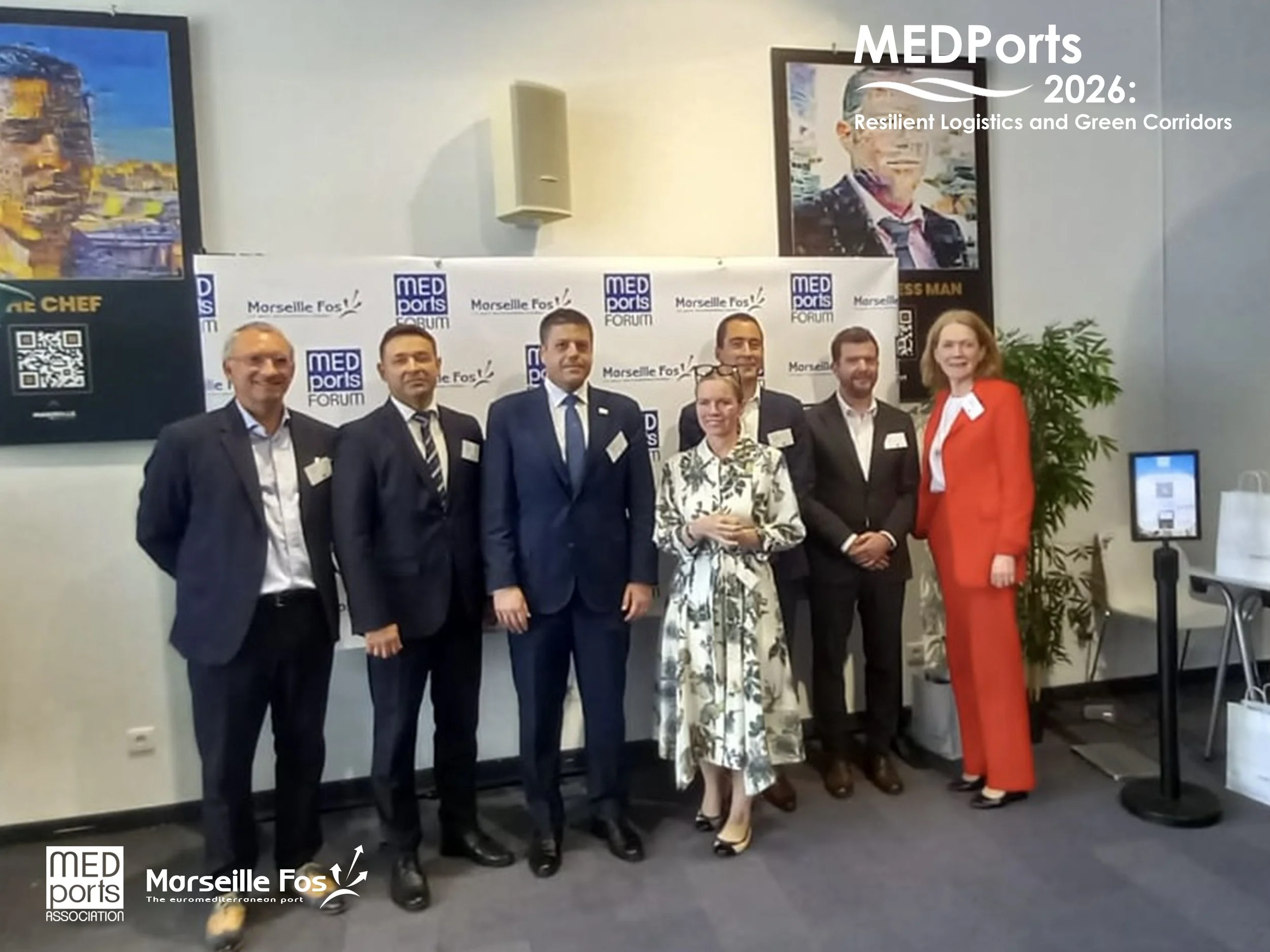
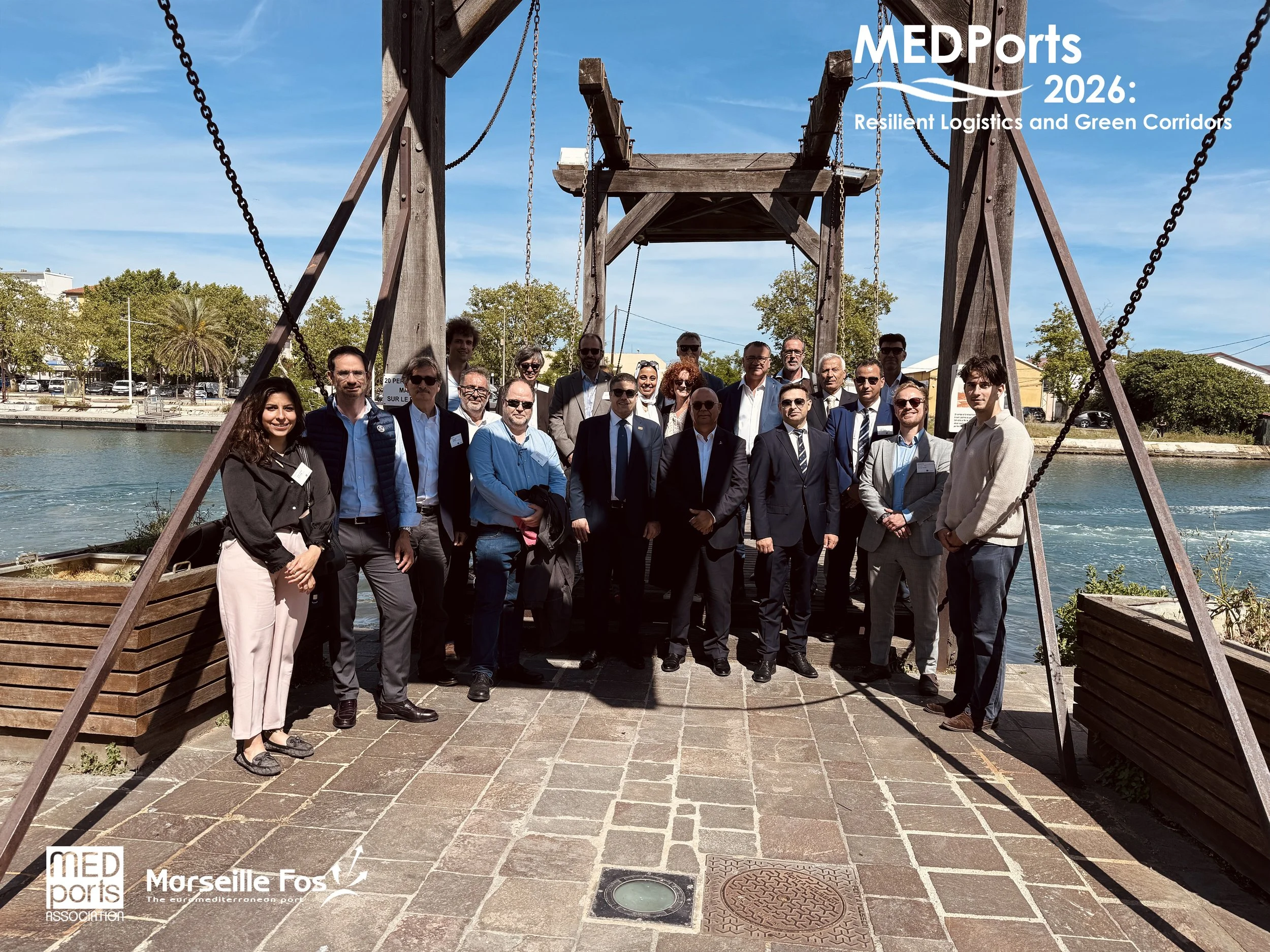
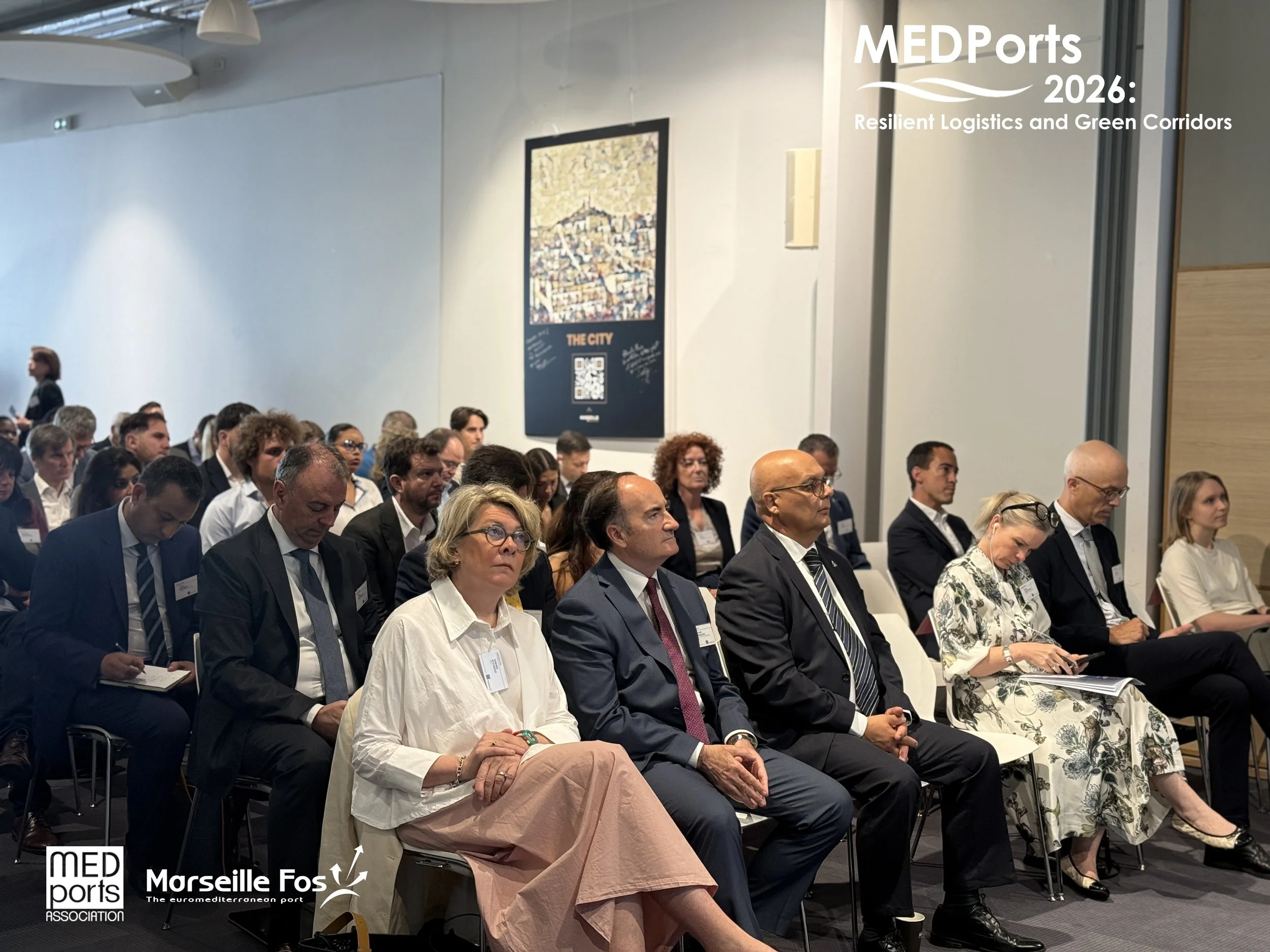
MEDPorts Forum 2026 was held in Marseille over 2 days, 20 & 21 of May 2026, gathering port leaders, maritime institutions, international organizations, and industry stakeholders from across the Mediterranean for two days of dialogue, collaboration, and strategic exchange around the future of ports and maritime connectivity in the region.
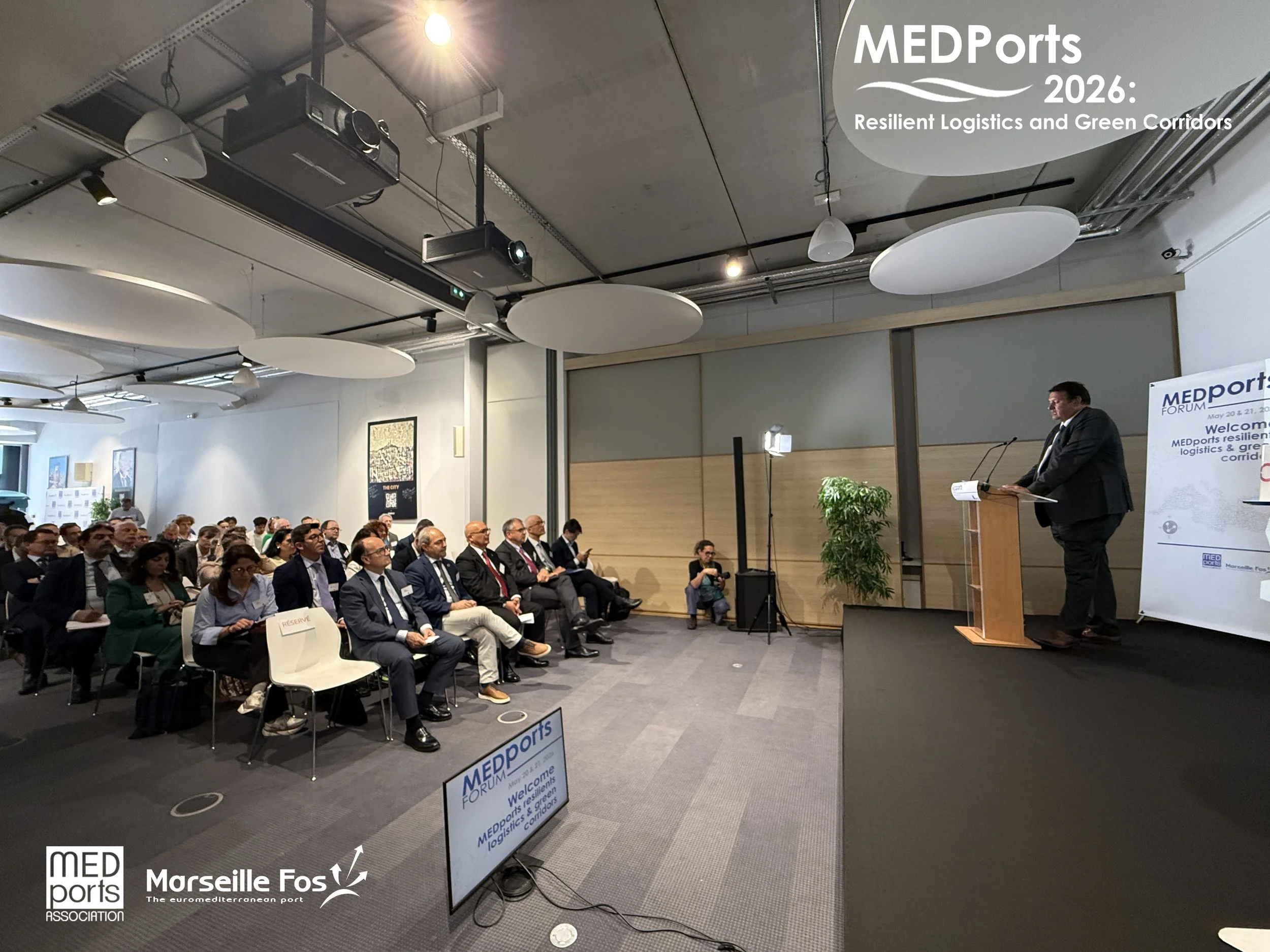
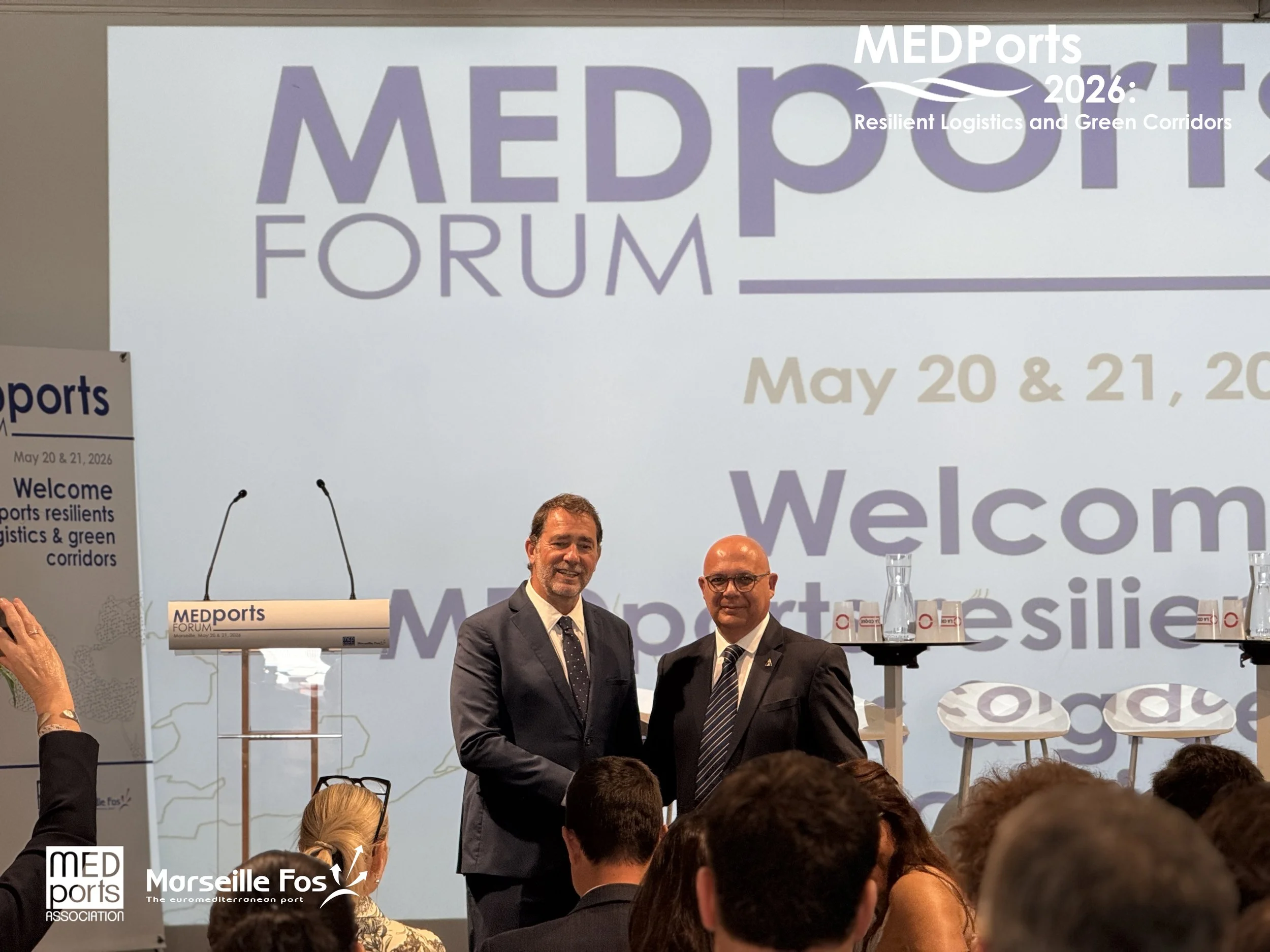
The Forum opened with welcoming remarks by Hervé Martel, CEO and Chairman of the Executive Board Marseille Fos Port Authority, and David Magro, President of MEDPorts Association and CEO of Malta Freeport Corporation, who highlighted the importance of regional cooperation in addressing the shared challenges and opportunities facing Mediterranean ports today.
Throughout the opening, participants reflected on the unique value of bringing the Mediterranean port community together in one place, reconnecting long-standing partnerships, creating new opportunities for collaboration, and opening important conversations on the future of the maritime sector.
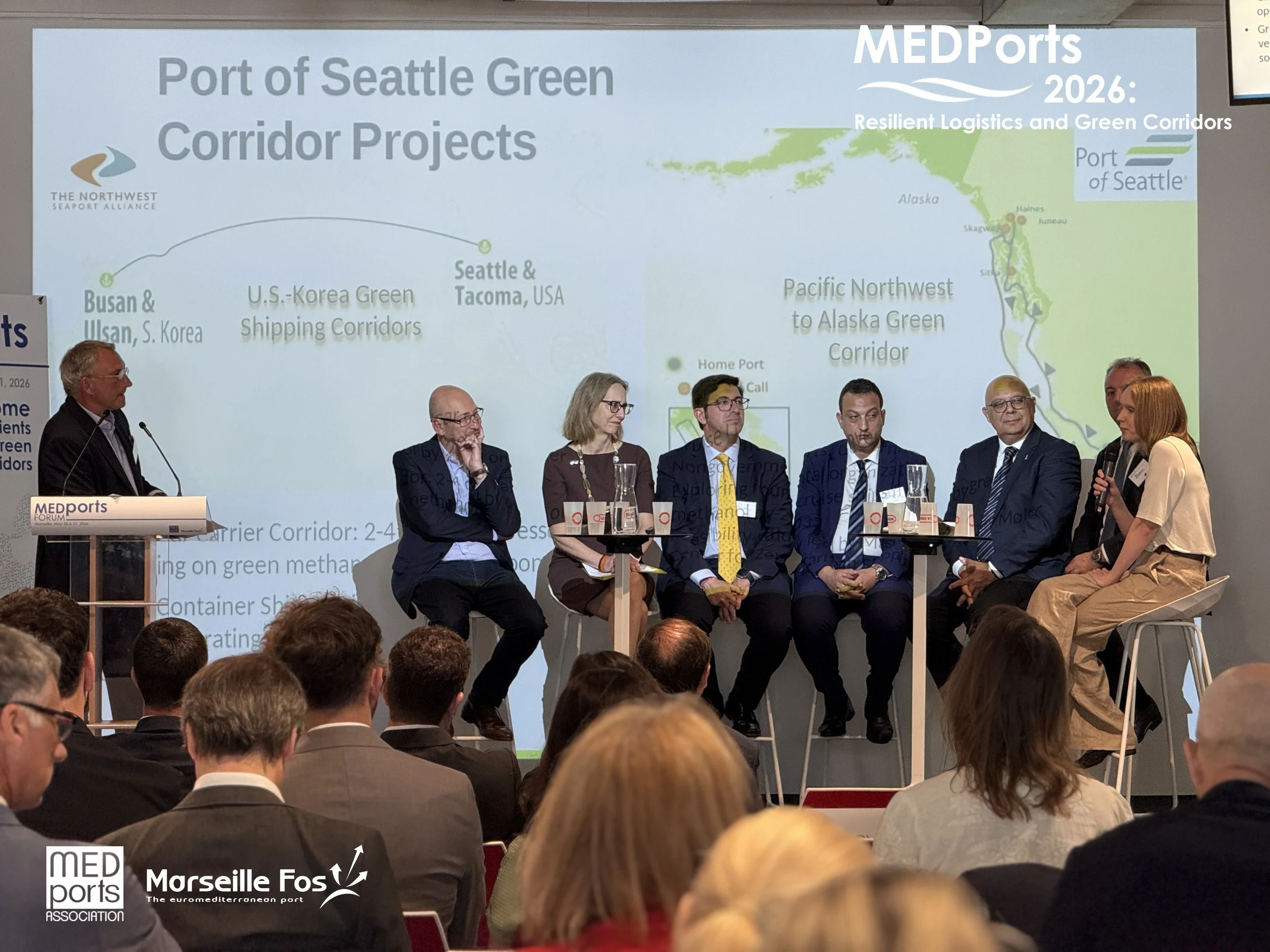
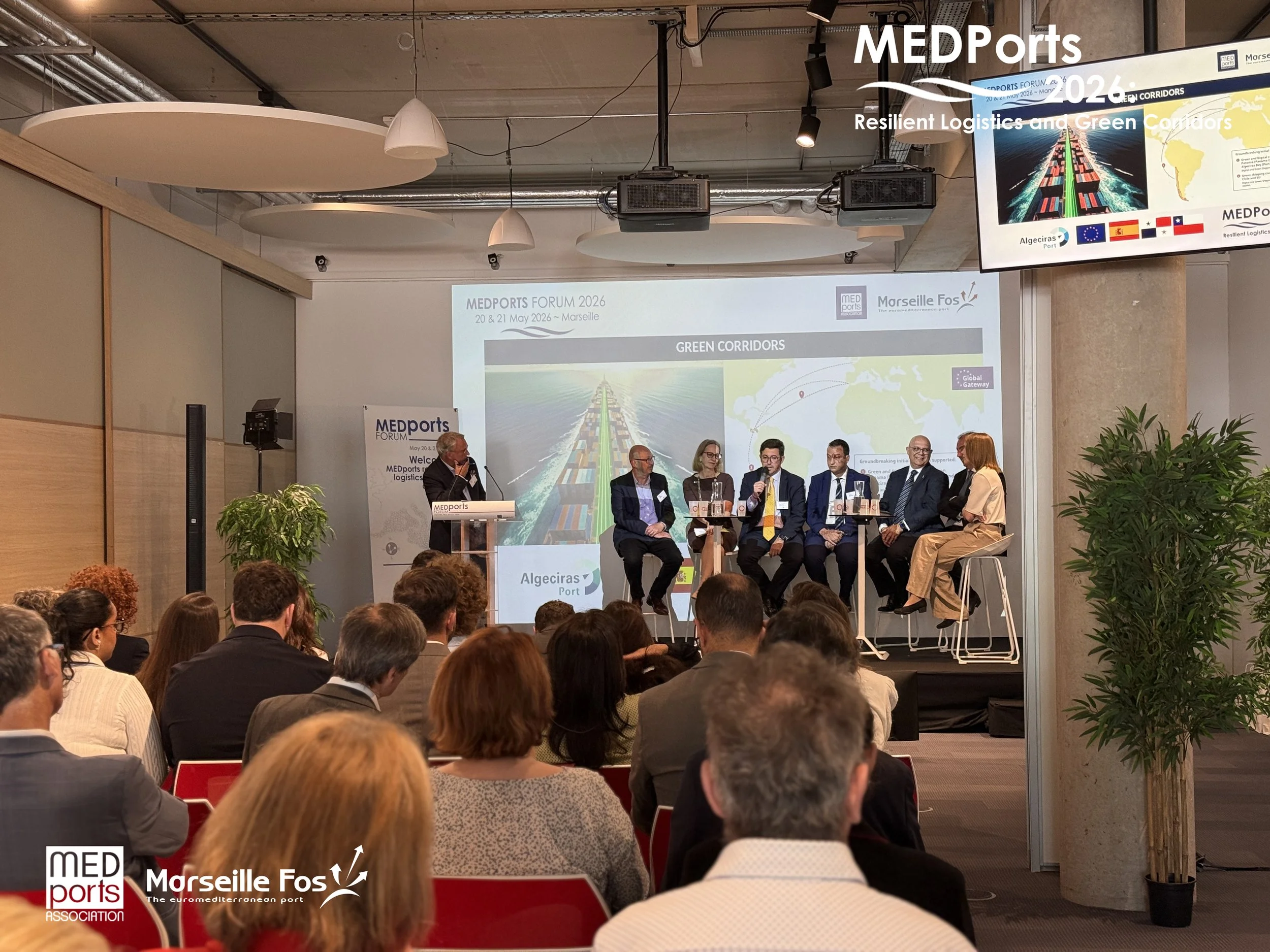
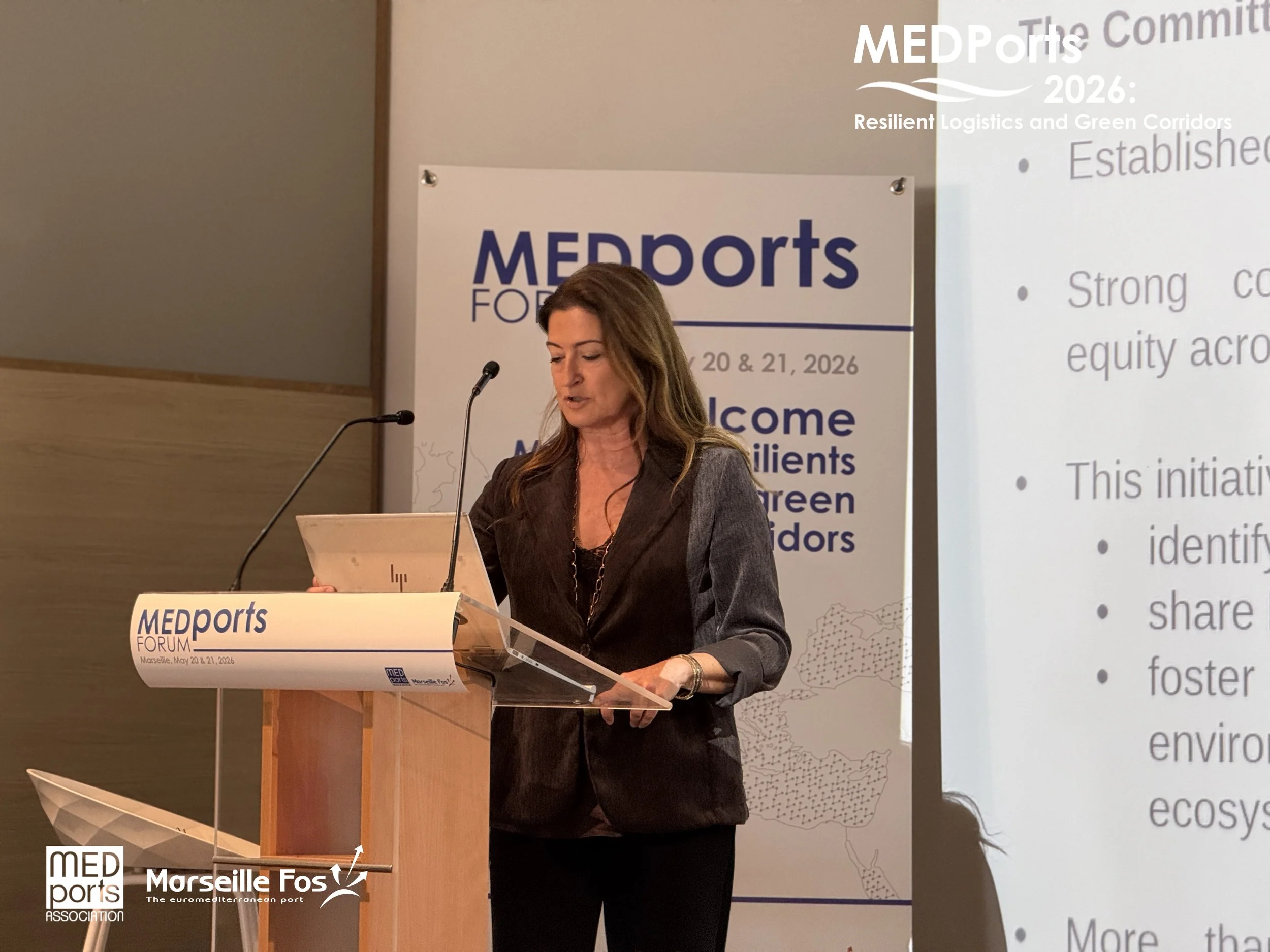
The Forum began with a keynote session by Joan Cabezas, president of Regenports, on the transformation of Mediterranean ports to better integrate nature and environmental responsibility into their long-term development strategies. Discussions highlighted the Mediterranean Sea as one of the world’s richest yet most vulnerable marine ecosystems, emphasizing that the future of ports is no longer defined only by infrastructure, logistics, and trade, but also by their relationship with the environment and their growing role as catalysts for positive environmental change.
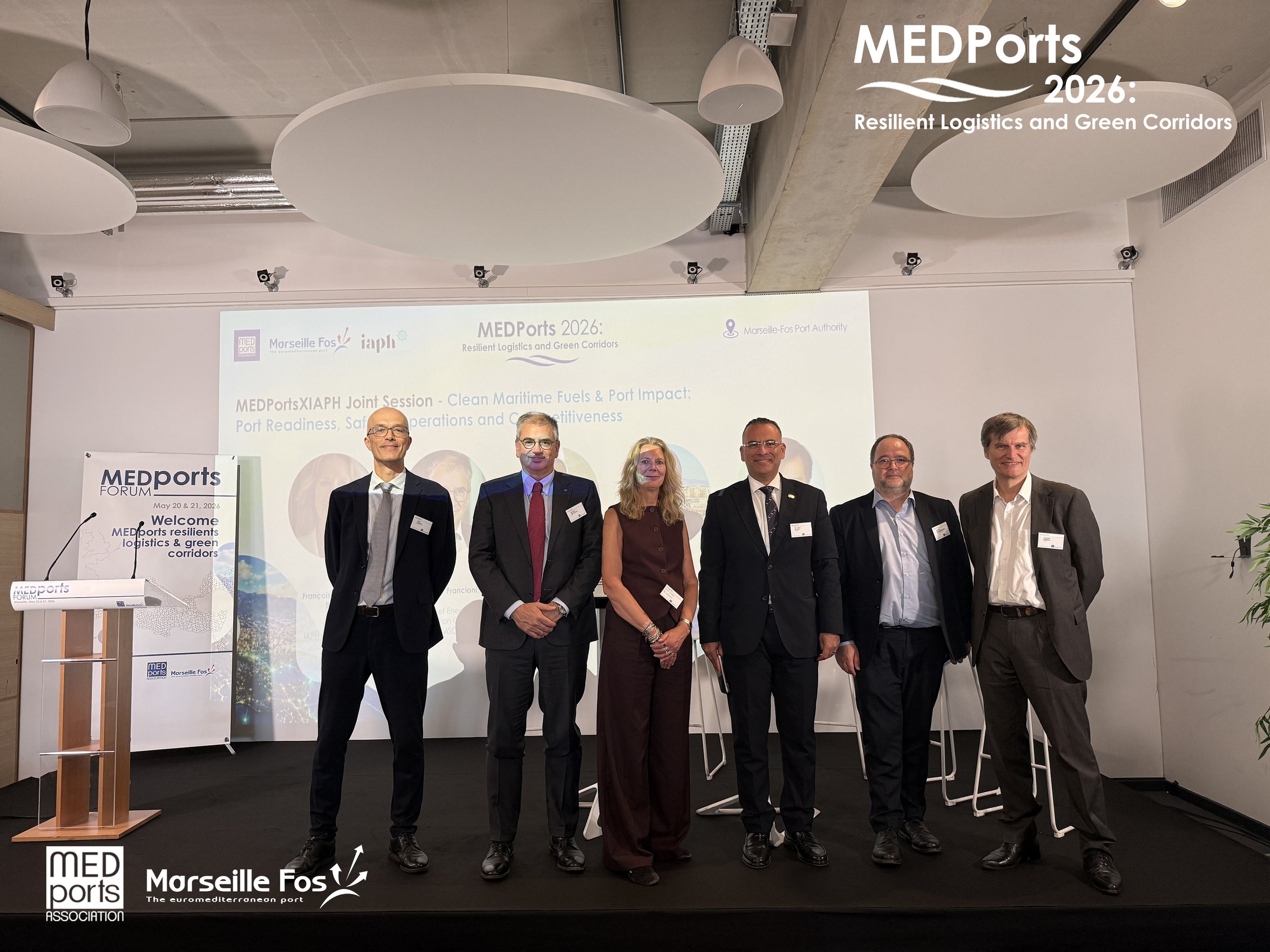
The first day concluded with a joint session organized alongside the (IAPH) on “Clean Maritime Fuels & Port Impact: Port Readiness, Safety, Operations and Competitiveness.” The discussion brought together leading voices from the maritime and energy sectors to explore how ports can advance toward cleaner fuels while ensuring operational readiness, safety, and long-term competitiveness. The exchange reflected the growing commitment of Mediterranean ports to actively contribute to the maritime energy transition.
Opening the second day, the forum was opened by Christophe Castaner, Président du Conseil de Surveillance du GPMM, focusing on the importance of building resilient Mediterranean corridors through stronger regional coordination, connected visions, and strategic investments capable of addressing today’s geopolitical, environmental, and logistical uncertainties.
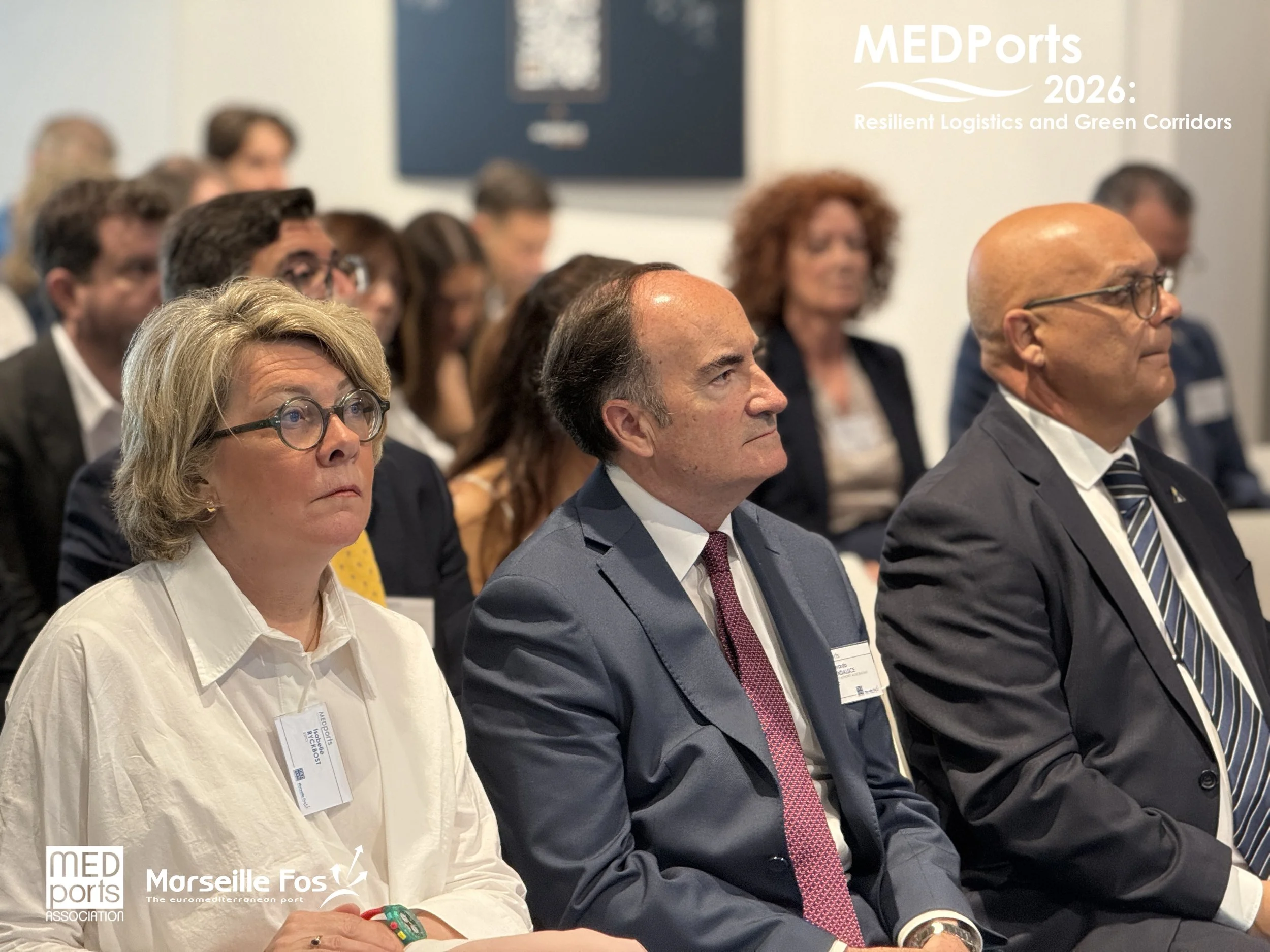
A key highlight of the programme was the dialogue on the European Union Ports Strategy led by Gerardo Landaluce, Chairman of Algeciras Port Authority and President of ESPO and Isabelle Ryckbost, Secretary General of ESPO, emphasizing how ports are evolving beyond their traditional logistical role to become major actors in energy transition, regional resilience, innovation, and Europe’s broader connectivity agenda.
Session 2 of the forum, moderated by Yann Alix, explored the growing challenge of maintaining port competitiveness while simultaneously becoming greener, smarter, and more resilient. Speakers from Mediterranean ports, academia, and international maritime organizations agreed that decarbonization is no longer optional, but that the pace and success of the transition will depend on coordination between ports, shipping lines, regulators, energy providers, and investors. Panelists stressed that ports cannot afford to wait for ideal conditions before acting, as the transition is already underway across the maritime sector.
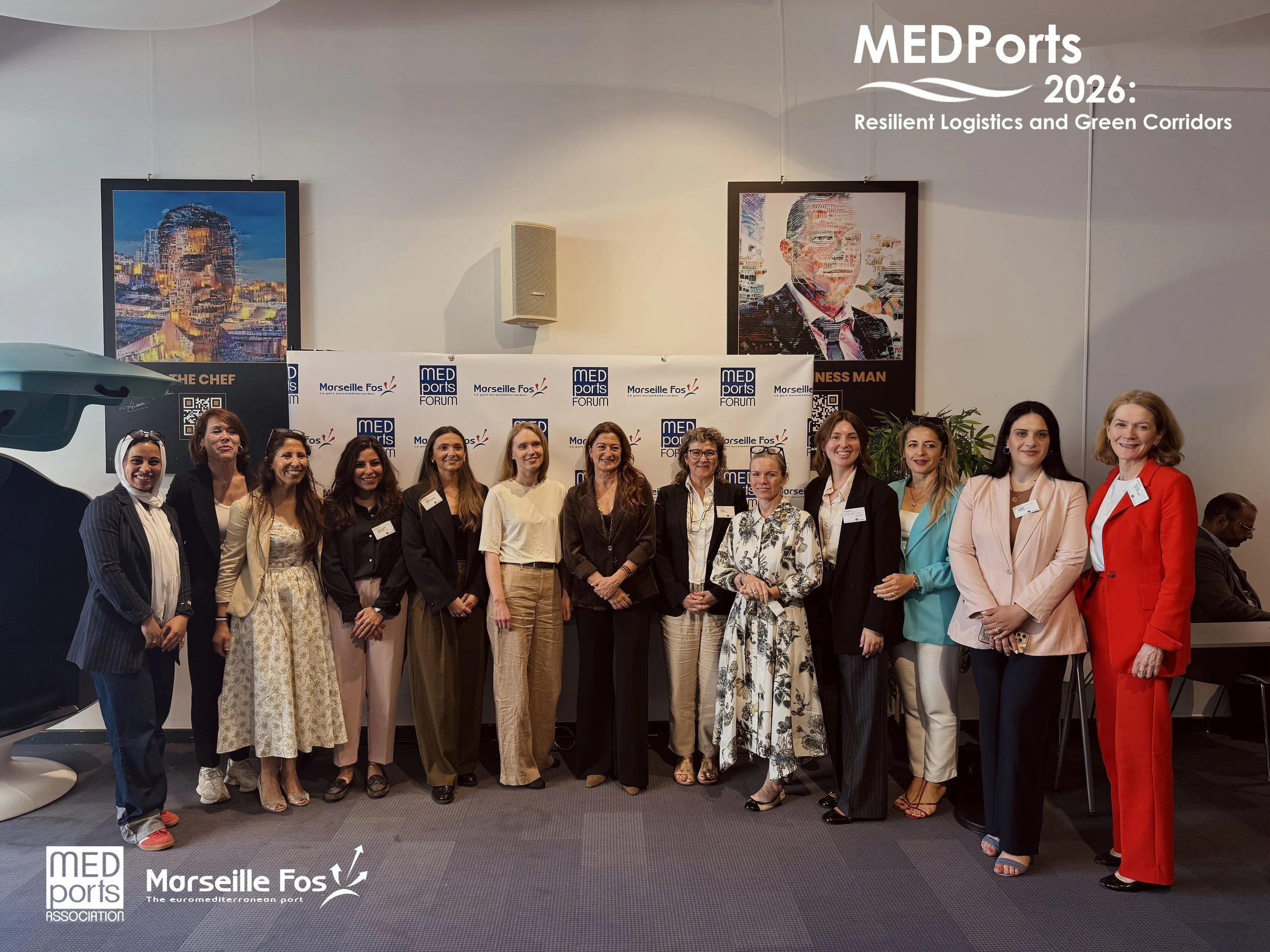
The forum also highlighted the increasing importance of gender equality within the maritime and port industries. Ana Rumbeu, Training Director at Valenciaport Foundation and Chairwoman of the MEDPorts Gender Equality Committee, presented the first results of the MEDPorts Gender Equality Survey conducted among 27 member ports across the Mediterranean.
The findings revealed a steadily growing female presence within port authorities, with women representing between 31% and 50% of the workforce in many participating organizations. While several ports have already implemented or are developing gender equality strategies and action plans, discussions also acknowledged the persistence of challenges including stereotypes, leadership gaps, operational barriers, and the need for stronger institutional commitment and awareness.
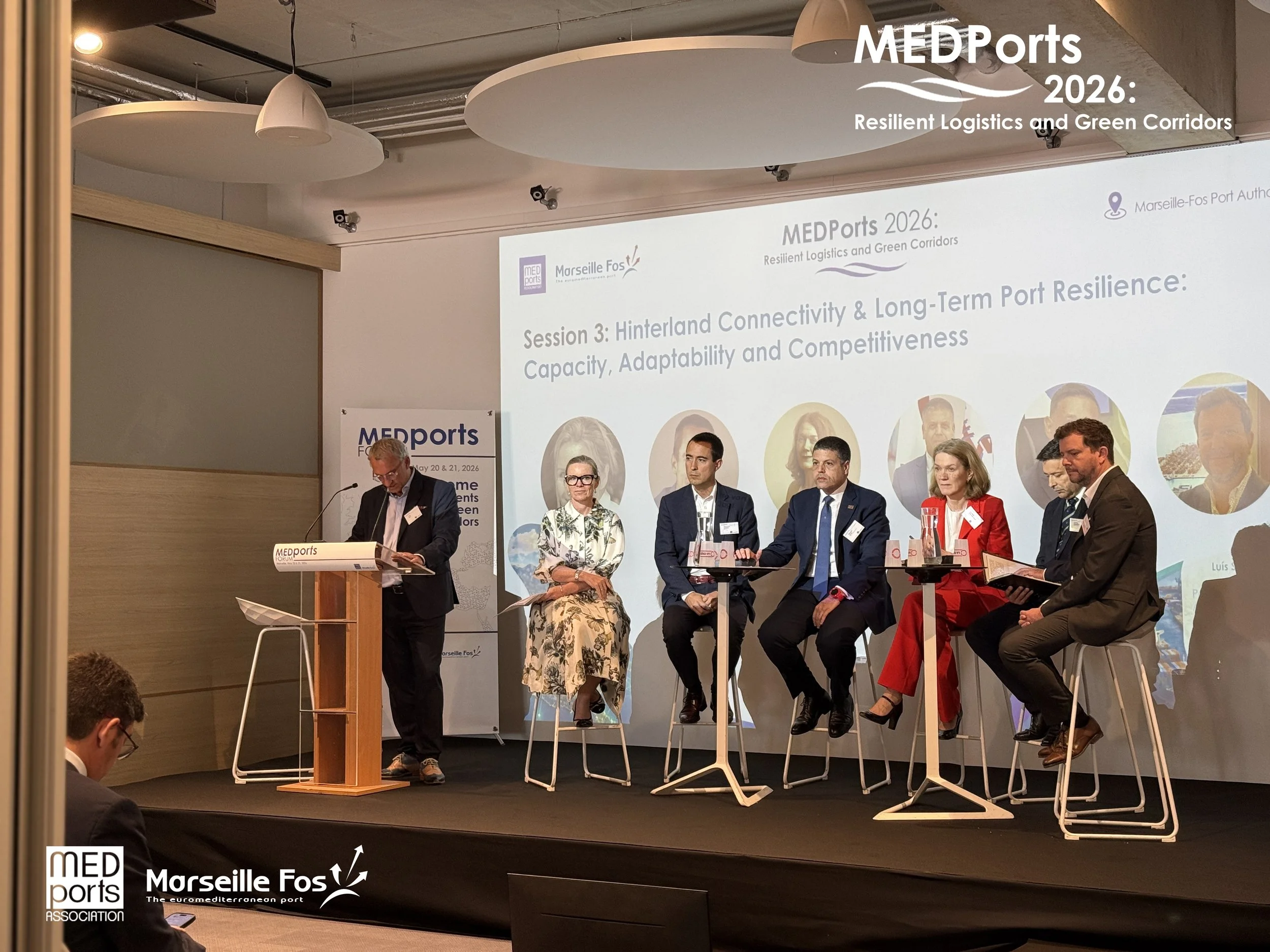
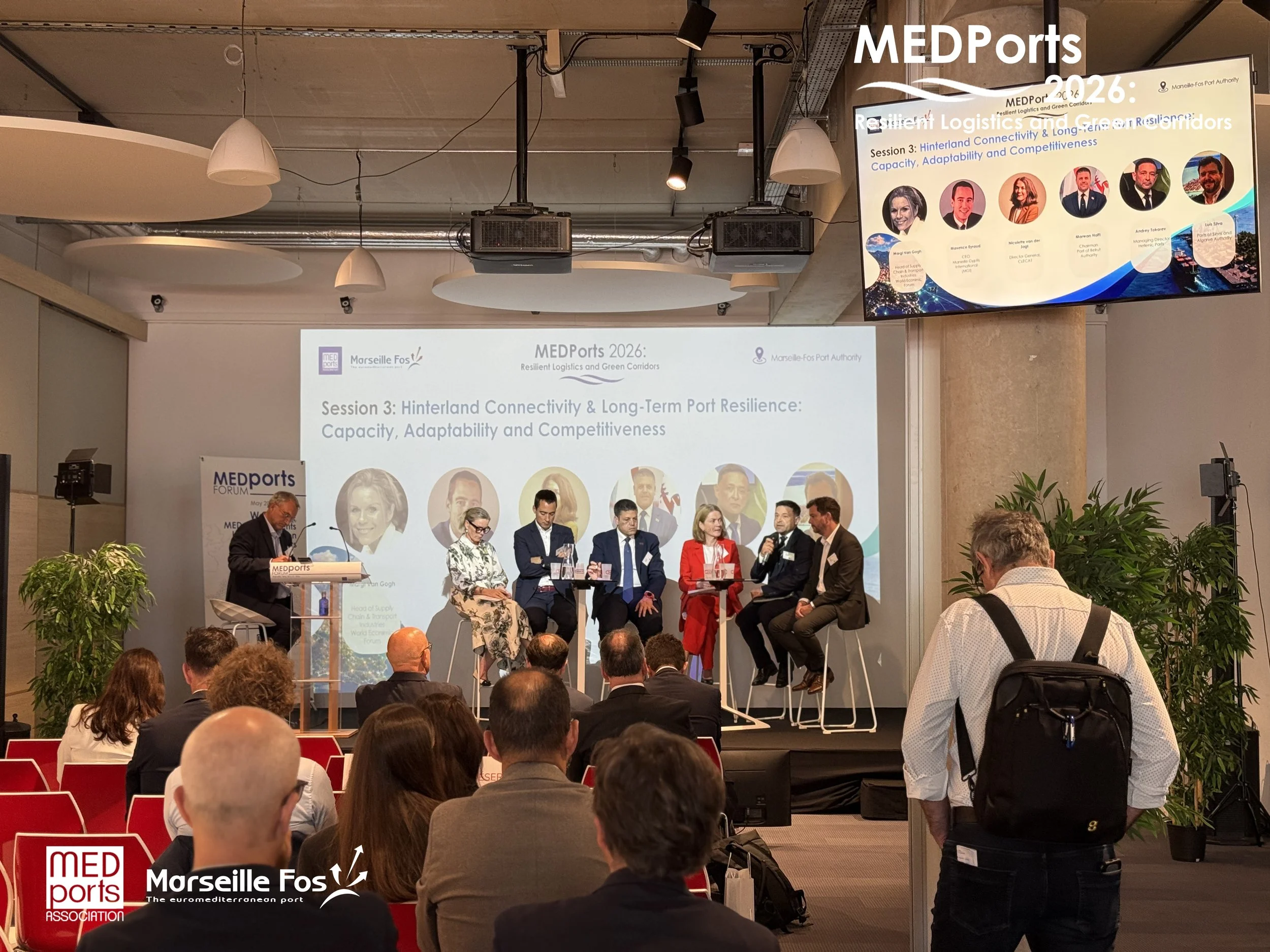
The closing session of the forum, again moderated by Yann Alix, shifted the focus toward hinterland connectivity and long-term port resilience. Discussions emphasized that port competitiveness today increasingly depends on the efficiency and adaptability of the logistics and supply chain ecosystems connected behind them. Panelists highlighted that resilient ports are no longer built solely at the coastline, but through strong hinterland networks, operational fluidity, connectivity, and coordinated logistics systems.
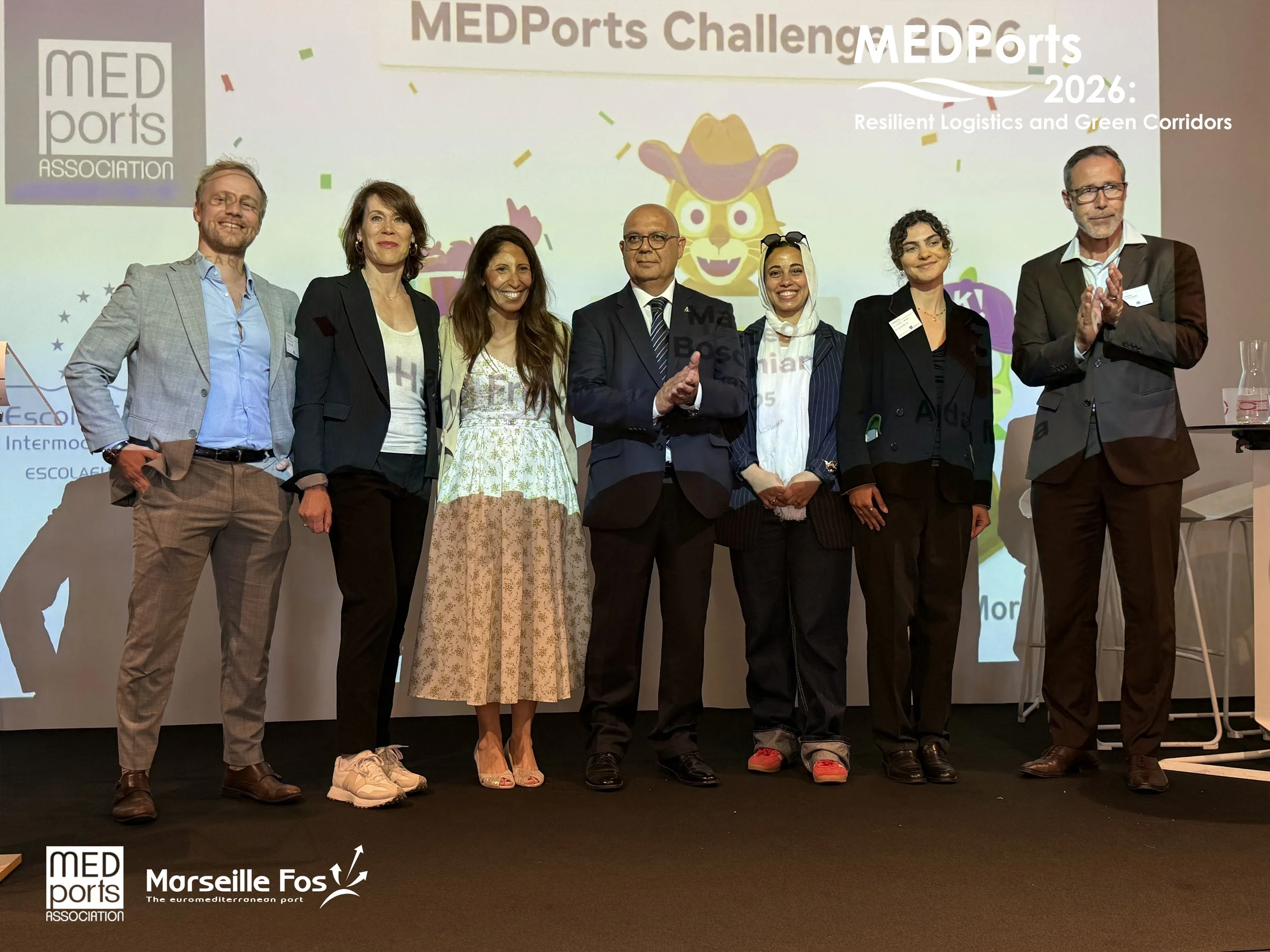
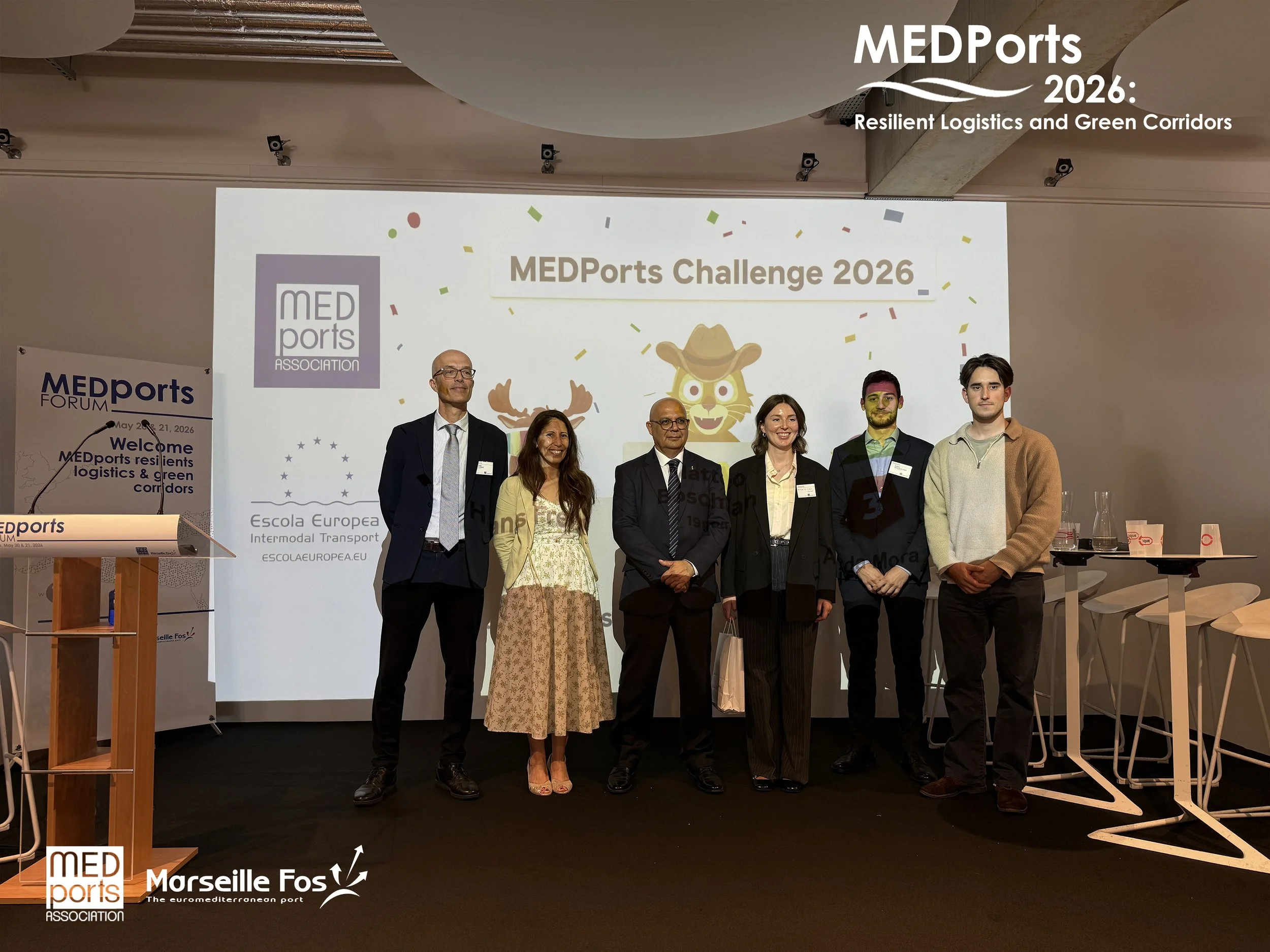
As part of the forum programme, MEDPorts also proudly recognized the winners of the 3rd edition of the MEDPorts Challenge, an initiative encouraging young talents and innovative ideas within the Mediterranean maritime sector. The initiative offers participants the opportunity to engage directly with the realities of the port industry, exchange with sector leaders, and become part of a growing Mediterranean maritime network. Special recognition was extended to Escola Europea for its continued support to the MEDPorts and its commitment to empowering the next generation of Mediterranean maritime professionals.
The MEDPorts Forum 2026 reaffirmed the shared commitment of Mediterranean ports to strengthen cooperation, accelerate sustainability efforts, support innovation, and collectively build more resilient maritime and logistics corridors for the future of the region.